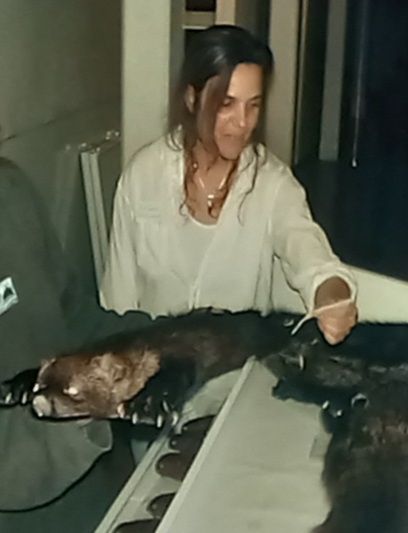
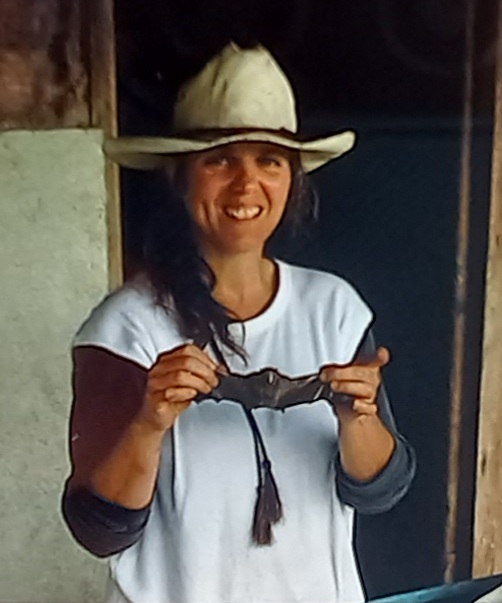
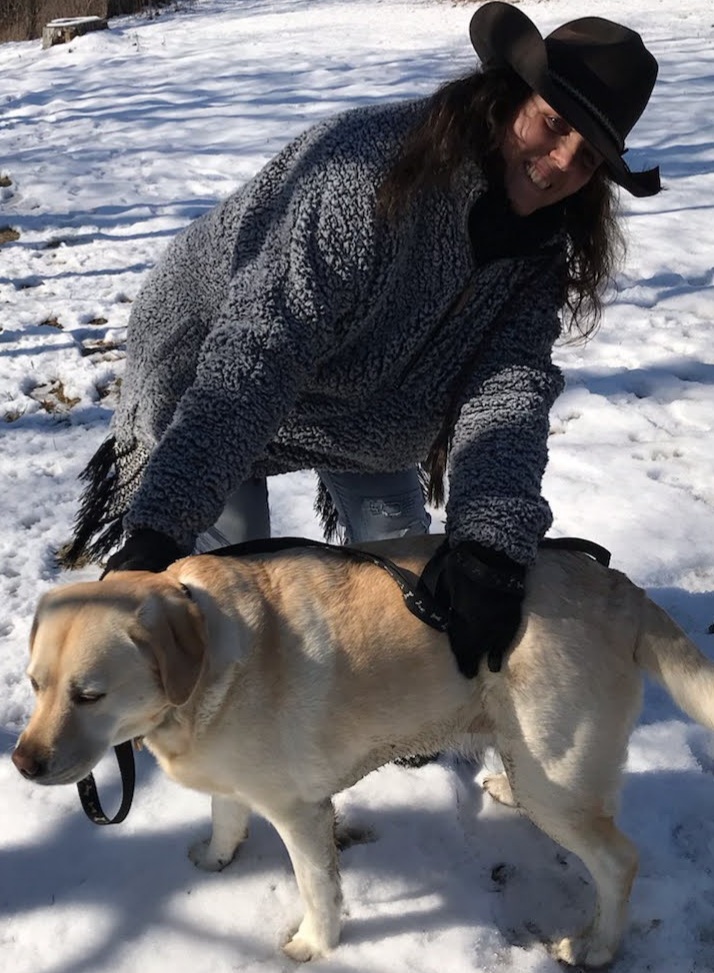
 Harboring a love for animals since her youth, Judith Chupasko has gone on to become a distinguished mammalogist, traveling the world to study and collect scientific mammal specimens for museum collections. Fortunate to conduct field work in all types of habitats, she has witnessed the Southern Cross from a boat in the Amazon River while studying tropical mammals and had a troop of chimpanzees follow her in the treetops while checking a small mammal study site in the Budongo Forest in Uganda. She has also seen the Aroura Borealis lights while studying timber wolves in Superior National Forest in Minnesota and seen cave paintings at Geronimo’s last stronghold in the Chiricahua Mountains of Arizona while studying desert mammals.
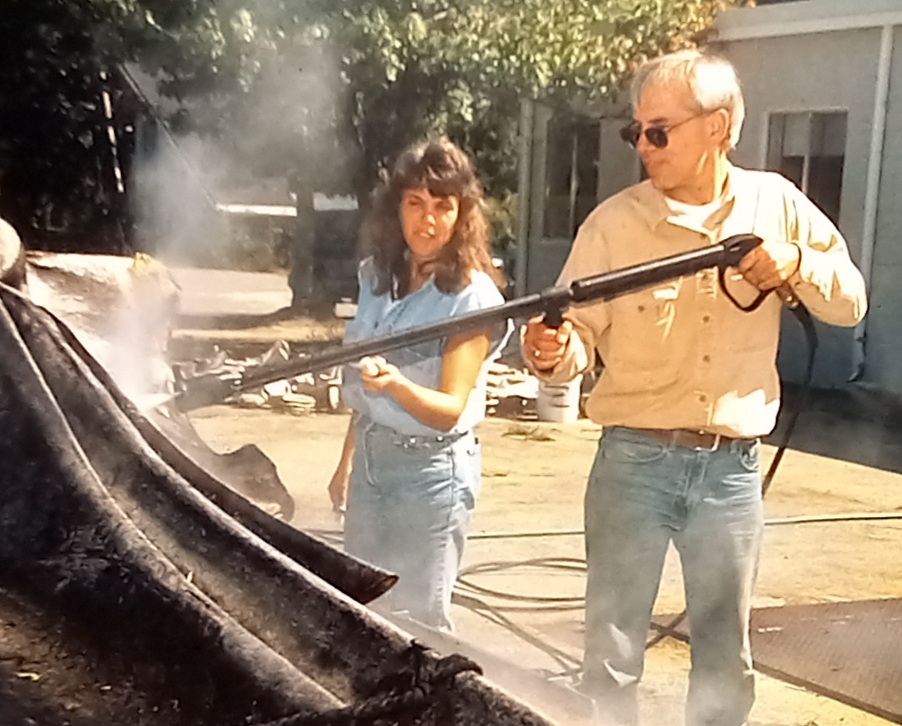
For nearly 30 years, from 1989 to 2017, she served as a Curatorial Associate in the Department of Mammalogy at Harvard University. In this capacity, she focused her efforts on curating the specimen collection for the museum while caring for the field station where they prepare all the mammal specimens and helped visiting scientists from around the world who needed to utilize their 87,000 mammal specimens for their research. Earlier, between 1992 and 1999, Ms. Chupasko was an adjunct professor in Environmental Biology at Boston College. She was also a valued member of the Society for the Preservation of Natural History Collections and the American Society of Mammologists, who funded her with a grant, as well as the American Museum of Natural History, Theodore Roosevelt Fund, and the Department of Mammalogy at the Museum of Comparative Zoology.
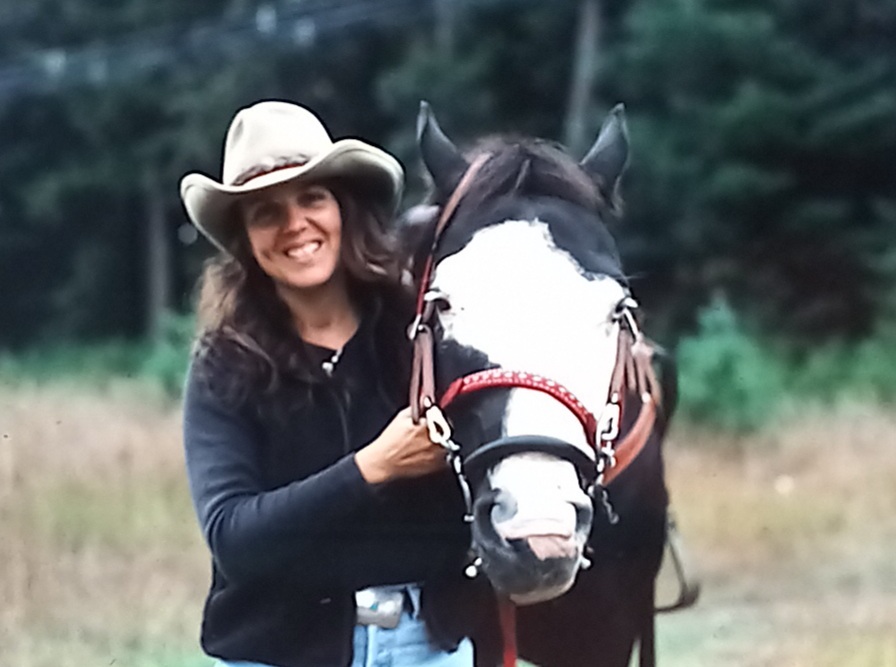
To prepare for her endeavors, Ms. Chupasko earned a Bachelor of Science in Biology from Slippery Rock University of Pennsylvania in 1983, followed by a Master of Science in Zoology from Louisiana State University in 1987. In a career abundant with highlights, she feels honored to have been acknowledged in hundreds of scientific papers and co-authoring scientific articles. Looking toward the future, Ms. Chupasko intends to work on research of large carnivores, such as mountain lions and wolves, ride horses and possibly teach scientific mammal preparations to other biologists. Likewise, she aspires to establish a business for mammal preparation for scientific collection, traveling to various institutions to prepare their mammals that are backlogged in their storage.
Despite being raised in poverty and overcoming many hardships, she has become successful enough to work at two of this countries top universities. She would like to dedicate this Marquis Top Scientist award to her mother, Josephine Paesano, for always being loving and supportive of her hopes, dreams and love of animals.”